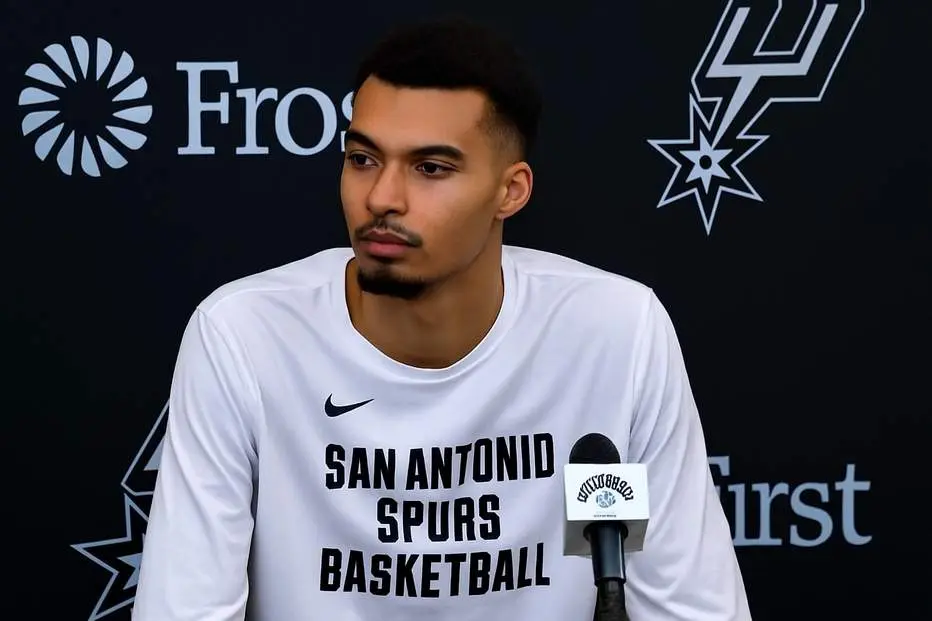
Victor Wembanyama: We got to help our ball-handlers more
Game takeaway: plan vs. execution
After a physical Game 2 loss in Oklahoma City, Victor Wembanyama said the Spurs had a clear plan to slow Shai Gilgeous-Alexander but didn’t execute it consistently. Gilgeous-Alexander finished with 30 points and paced the Thunder’s offense, and Wembanyama admitted they’d worked on stopping him — they just didn’t apply it enough during the game.
Injuries, effort and what needs fixing
Injuries made rotations messy: De’Aaron Fox missed his second straight game with an ankle sprain and Dylan Harper left with a leg issue, which disrupted San Antonio’s rhythm and put more pressure on ball-handlers. Wembanyama was blunt about the fallout: the team needs to help its ball-handlers more and take better care of the ball.
The Spurs rallied in the third quarter but burning so much energy to climb back into the game hurt their late‑game execution. Wembanyama pointed out that constantly fighting from behind made it harder to close out plays and stay sharp down the stretch.
He also stressed a need for full‑game consistency and owned a few personal lapses, especially in the fourth. Small mental and execution mistakes in key moments are the difference in these matchups, he said, so focus and fewer lapses are priorities going forward.
On the matchup front, the Spurs know the tactics against players like Isaiah Hartenstein, but Wembanyama noted that knowing the plan and carrying it out against a well‑prepared opponent are two different things. It’s a physical, demanding matchup that requires work and sharper execution.