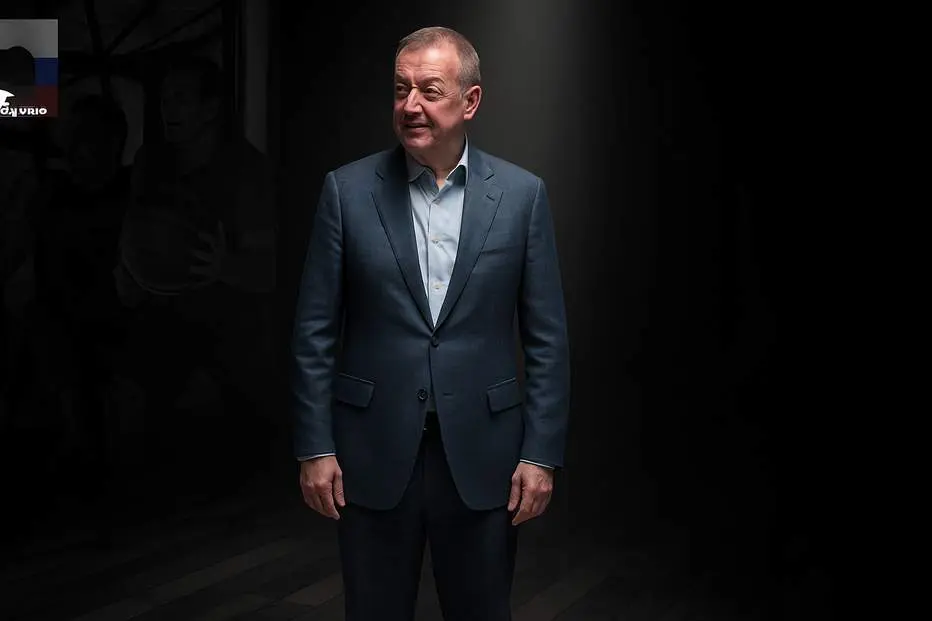
Sergey Kushchenko: Russian clubs would return tomorrow — but it’s not up to us
VTB League Cup, partners and regional cooperation
Sergey Kushchenko, president of the VTB League, talked about the league’s cup competition and recent cooperation with regional clubs. The tournament featured teams like Igokea and Mega, and the league is in talks to confirm the next season with its title sponsor. Both clubs were praised for their professionalism and willingness to adapt to the schedule adjustments that were needed.
Kushchenko highlighted the help from neighbouring competitions and governing bodies that allowed those clubs to participate. Thanks to that cooperation, some games were moved around to make the matches happen, and the league used those occasions to showcase not only the sport but also the production and atmosphere that come with modern basketball events — from the court action to the game-day presentation.
On returning to the EuroLeague: politics, logistics and fans
When it comes to Russian clubs returning to the EuroLeague, Kushchenko was blunt: it isn’t a decision for the clubs or the VTB League. That call lies with the organizers of the continental competition and, importantly, the governments involved. He argued that if sporting considerations alone mattered, Russian teams would be welcomed back immediately — but political restrictions and travel rules create real barriers.
Those restrictions can turn into practical problems: a club might only be able to host a handful of home games while being forced to play the rest on the road. That hurts attendance, sponsorship appeal and the atmosphere fans expect when supporting their team at home. Kushchenko pointed out that other countries’ situations have produced similar complications, with teams sometimes playing ‘home’ games away from their home arenas or facing empty stadiums — a reminder that political decisions often shape the sporting reality.
Money, structure and the future of European basketball
Kushchenko also talked about a long-standing problem: making European club basketball financially sustainable. He traces much of the issue back to missed opportunities and disputes between major organizations, which distracted attention and resources that could have helped build a clear, unified competition pyramid like football’s. While the NBA and domestic football competitions have created scalable commercial models, European basketball has struggled to do the same across many countries with very different markets, laws and economies.
He was sceptical about some of the big announcements floating around about new projects and the idea of an NBA-style franchise system in Europe. The commercial appeal of a big-name, money-driven concept is obvious, but Kushchenko warned that simply bringing star players in late in their careers won’t create a sustainable product unless it also helps develop new European stars and offers a consistent sporting model. A franchise system would also clash with the existing autonomy of clubs and legal differences between countries.
Ultimately, he said, progress needs agreement. If the major stakeholders — leagues, clubs and governing bodies — can sit down and build a clear structure that fairly distributes revenue and grows the game across markets, European basketball could become more stable and profitable. Until then, talk remains easier than meaningful change.
As a closing note, Kushchenko shared a personal memory from his time at CSKA: the collective sacrifice and focus that led to a long-awaited EuroLeague title. He recalled how everyone — players, coaches and staff — put personal concerns aside to chase that goal, which is the kind of commitment he still believes drives great teams and competitions.