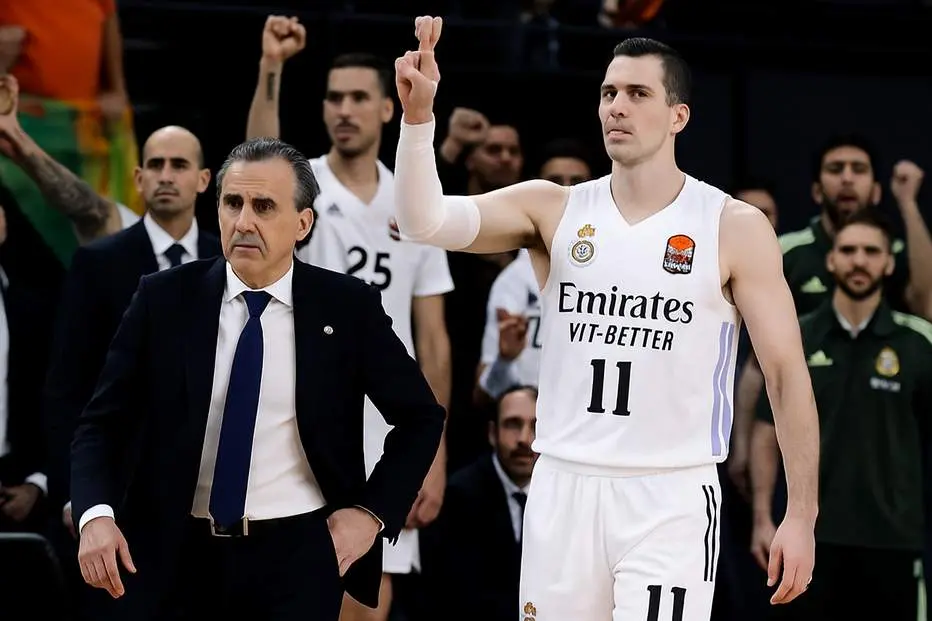
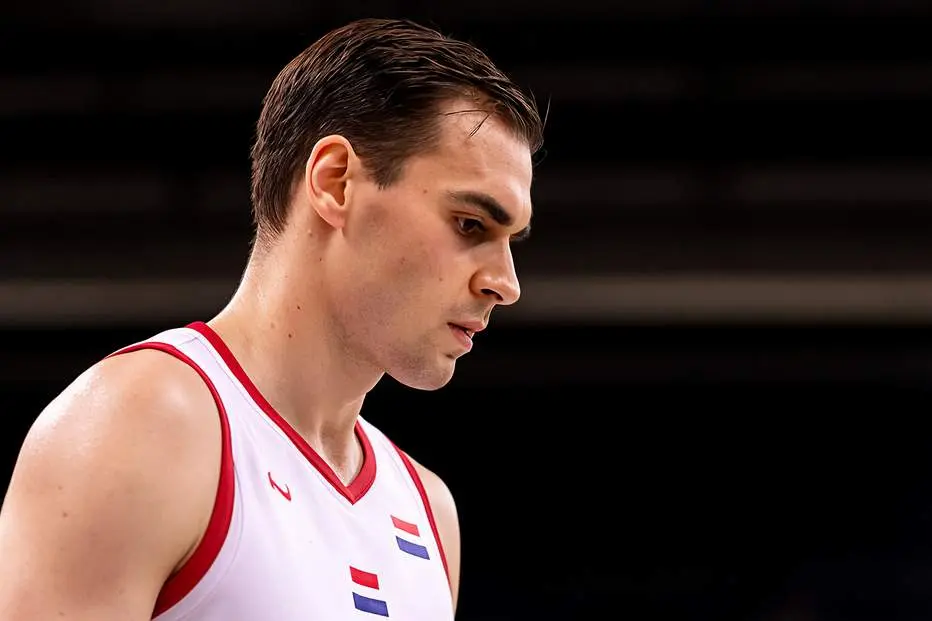
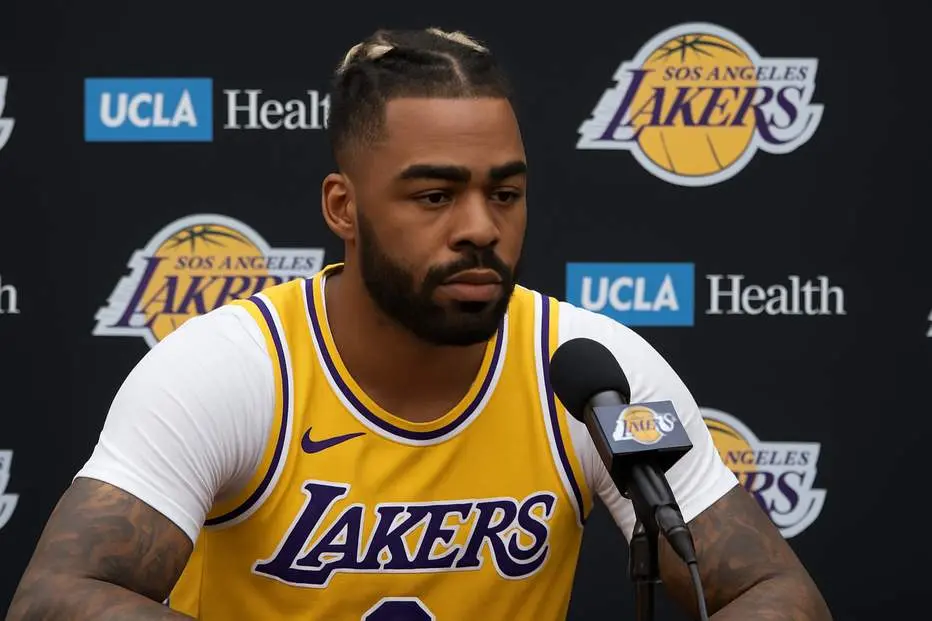
EuroLeague says it’s ready to compete if talks with NBA Europe break down
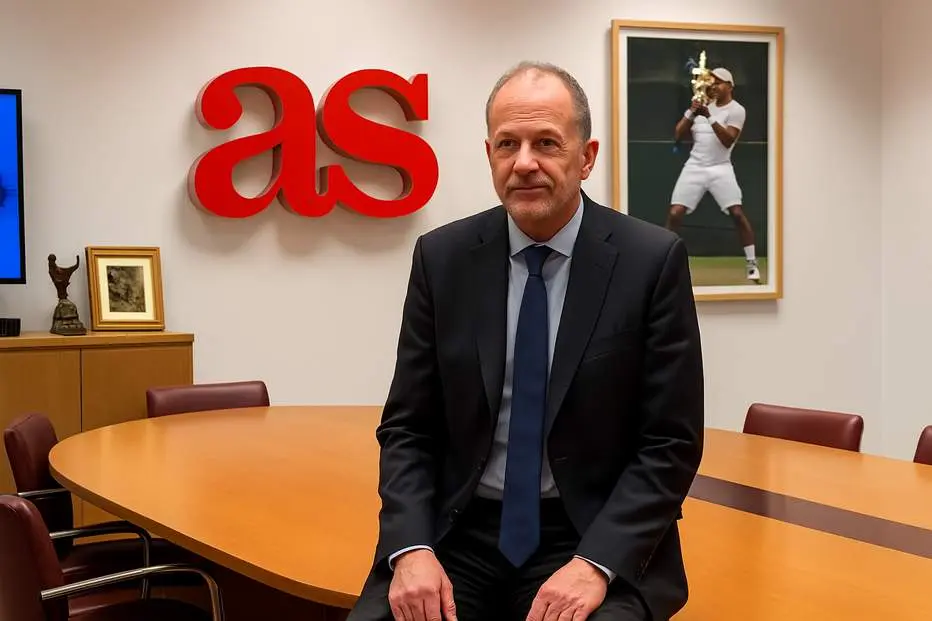
Talks, tension and the possibility of rivalry
EuroLeague’s leadership says it would be prepared to go head-to-head with the new NBA-backed Europe project if the two sides can’t find common ground. The NBA-backed plan, aiming for an October 2027 start, is reported to include 16 teams made up of a core of permanent franchises plus yearly qualifiers. EuroLeague officials have made clear they’d prefer a cooperative approach, but only if any deal is fair to both parties.
The league’s CEO has made it plain that EuroLeague won’t bow out of Europe if an agreement isn’t reached — the organization has discussed and rehearsed the idea of competing directly. At the same time, he noted there’s potential for a partnership that leverages each group’s strengths: the NBA’s experience running a global sports enterprise and the EuroLeague clubs’ deep local roots and established brands.
Industry observers say a split at the top level could spread resources thin — clubs, players, sponsors and media attention may be divided between two competitions. That fragmentation risks lowering the overall commercial value of elite European basketball, from media rights to ticket sales.
Expansion plans and next moves
While talks continue, EuroLeague is moving ahead with its own plans. The competition is planning to grow from 20 to 24 teams for the 2027–28 season, with most existing shareholder licenses converted into long-term franchises without extra fees. The league also intends to add several new long-term clubs in targeted cities as it looks to broaden its footprint.
Targets named by the organization include major European markets such as Paris, London, Milan and Naples — places the league believes could support permanent franchises. Officials stress they will push forward with their expansion roadmap even as negotiations with the NBA-backed project proceed.
In short, both sides are preparing for either a partnership or a competitive future. The outcome will shape where top clubs play, how sponsors and broadcasters divide their attention, and what fans across Europe get to watch at the highest level of the sport.