NBA Eyes EuroLeague Takeover — What If It Falls Apart?
What’s on the table
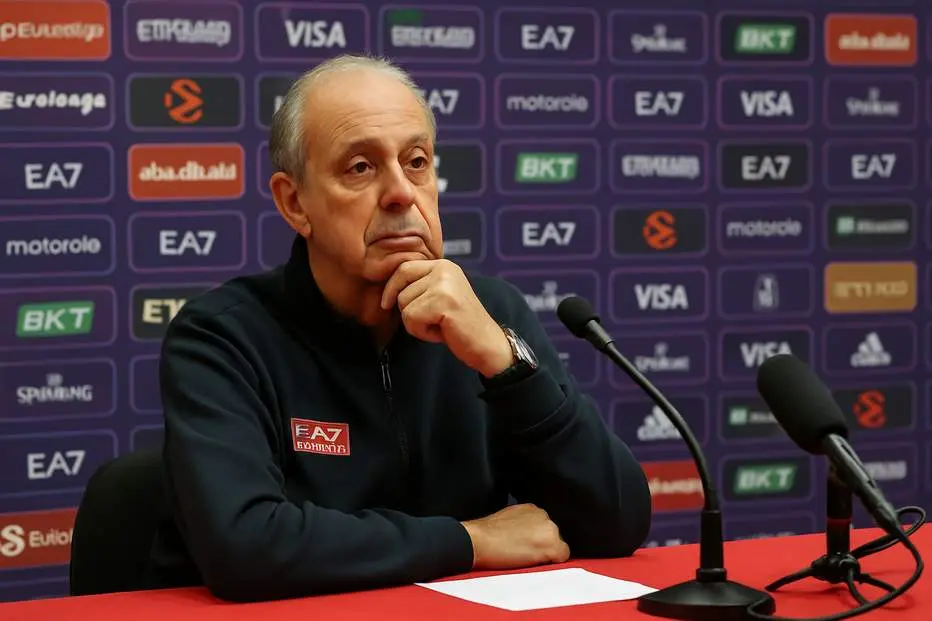
The NBA has been moving aggressively into Europe with a project that could take a huge step forward: a takeover of the EuroLeague. Reports say league officials are seriously weighing a bid to buy the competition outright and fold its structure into the NBA’s broader global plans. A key meeting of the EuroLeague board is set for October 5, and that session could shape the future of professional basketball in Europe.
Moving from cooperation to ownership would let the NBA shortcut years of negotiation and give it immediate control over top European clubs and competitions. For some, that represents the fastest way to expand the NBA brand and tap into a lucrative new market.
Why this could go wrong
European basketball operates in a very different financial landscape. Many clubs don’t generate the same profits as teams in the NBA, and the sport struggles to attract the kind of investment and mainstream attention that football commands. Slapping the NBA name on the competition won’t automatically bring mass crowds or loyal new fans.
Another big challenge is talent. Convincing top players to leave or delay their NBA careers for a late-career stint in Europe would be expensive. The economics of buying star power don’t add up easily — you might get a one-off spike in interest when a big name visits, but it’s unlikely to create long-term local followings if those players don’t stay.
There are also questions about local market fit. Plans that list franchise cities without a clear read on local demand risk launching teams that struggle to fill seats and build grassroots engagement. If the investment doesn’t produce sustainable returns, the league could face tough choices about continuing support.
And then there’s the worst-case: if the experiment loses money, would the NBA walk away? That possibility worries fans and clubs that might be left to rebuild on their own after a major restructuring.
Everything points to October 5 as a turning point. If a sale happens, European basketball will change — likely in ways that are both exciting and worrying. If it doesn’t, the current structure survives, but the pressure to adapt will only grow. Either way, the next few months should make intentions and risks much clearer.