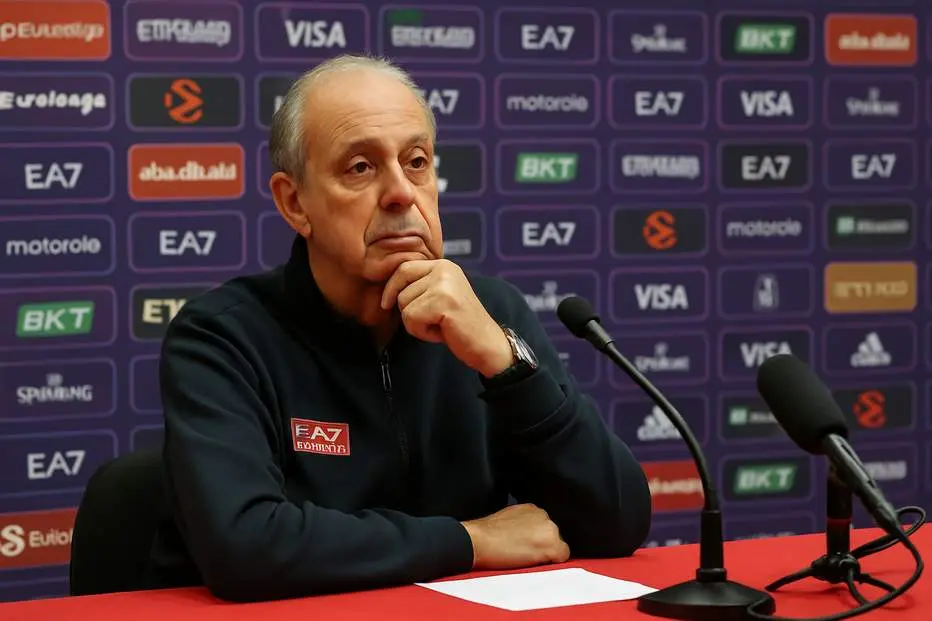
Denis Memic: “Heat Culture” is real; Jovic hasn’t hit his ceiling
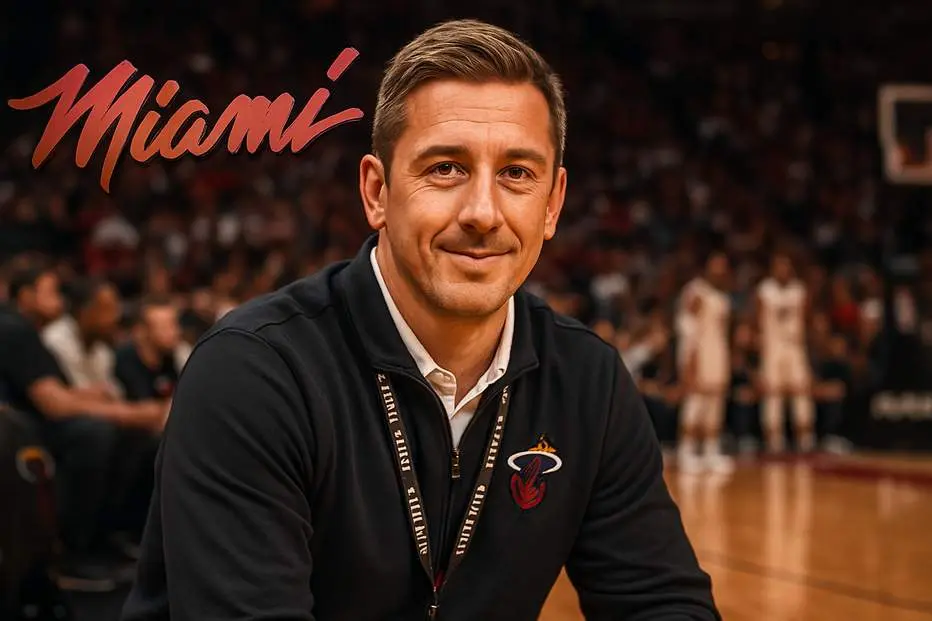
From Visegrad to Miami: a scouting journey
Denis Memic’s path into the NBA wasn’t straightforward. He left his hometown of Visegrad in the mid-1990s, studied languages and literature in Istanbul, played professionally in parts of Europe and Israel, and worked as a player agent before moving into team scouting. Over the last decade-plus he’s become a long-standing member of the Miami Heat organization and now serves as their Director of Global Scouting.
That background — playing, living abroad, and representing players — gave him a wide network and an adaptable perspective that helped when he shifted into an NBA front office role. The move meant changing the lens: instead of representing individual players, he learned to evaluate talent with the fit and needs of a franchise in mind.
What scouting actually is, and what “Heat culture” means
People often picture an international scout as someone who just flies around and watches games, but the reality is more complex. Early on, Memic did a lot of video work and research; later he began traveling widely and building relationships with coaches, agents, and local scouts. Live games are important, but most of the heavy lifting happens before and after tip-off — sourcing information, preparing clear objectives for what to watch, and cleaning up notes afterward for the staff back home.
He stresses that scouting is as much about character and process as it is about raw ability. The Heat’s standards go beyond toughness or hustle; they look for professionalism, accountability, coachability, and a willingness to sacrifice for team success. That environment isn’t meant to make life difficult — it’s designed to give players the best chance to reach their potential. Some players fit naturally, and some take more time to adapt.
Memic also talks about responsibility versus stress. The decisions scouts help make can affect careers and organizational direction, so there’s a lot of weight to the job. He manages that pressure by keeping perspective, leaning on family for balance, and treating the work as a mix of business and passion rather than constant crisis.
Evaluations, international translation and the Balkan influence
Memic explains that scouting overseas players requires projecting how skills and mentality will translate to the NBA. Physical readiness, mental maturity, and a few years of solid international competition often help players adjust to the pace and demands of the league. Translating production is rarely automatic — it’s a mix of timing, opportunity, health and growth.
He was part of Miami’s process when the team scouted Nikola Jovic and followed him closely because he was regionally based. What stood out were Jovic’s natural skill set and intriguing physical tools — things that are difficult to coach. Memic believes Jovic has shown he belongs in the NBA but hasn’t yet reached his ceiling, and that leaves room for optimism about future growth.
As for the broader pipeline, the Balkan region has long produced high-level talent, and recent superstars have raised attention even more. Today there are more scouts watching those leagues and better information available, so talented players from the area have clearer pathways to the NBA than a decade ago.
Memic also notes that structural changes in basketball — including new college-era rules and NIL-related dynamics — have complicated projection paths but haven’t diminished the value of international scouting. It’s more about juggling extra variables than changing the fundamental evaluation work.
Finally, he highlights how relationships matter. One of the most meaningful moments in his career involved helping facilitate a player’s arrival to a national team — an example of how scouting and talent work often intersect with personal ties and long-term connections.